There’s a lot of back-and-forth [in credentialing and enrollment] — duplicate requests, and waiting on providers or payers, which slows things down. It feels like the process is moving in the right direction with more automation, but it still takes a lot of persistence and follow-up to get things done."

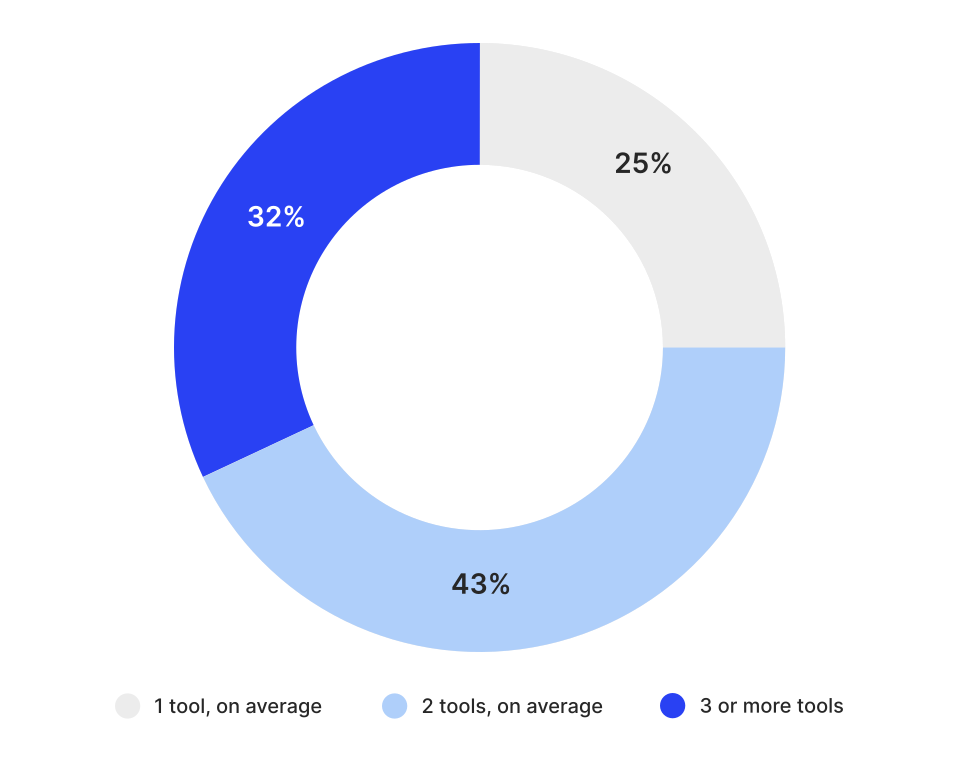
Many provider groups rely on fragmented systems: 43% use two tools to credential a provider, and 32% use three or more, signaling significant technology sprawl. This patchwork setup fuels duplicate data entry, inconsistent workflows, and unnecessary rework for coordinators and front-line teams navigating disconnected systems.
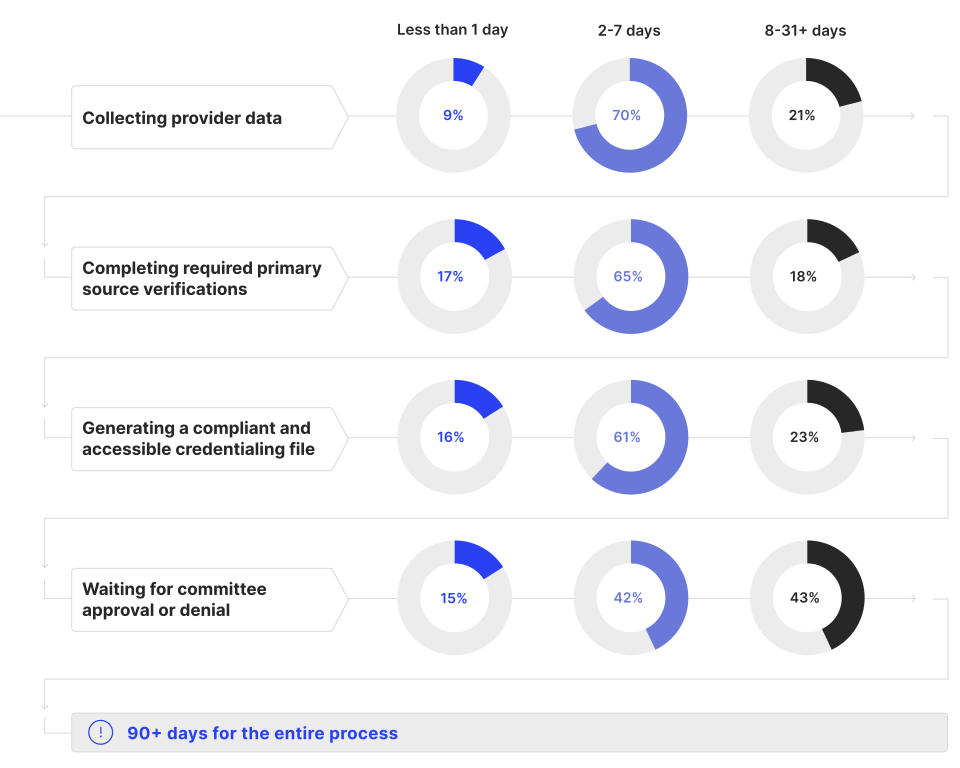
Early steps are efficient, but delays spike once a file reaches committee review. Nearly 30% wait more than 8 days, and 17% wait over 31 days, making committee approval the most unpredictable and delay-prone stage of the entire credentialing lifecycle.
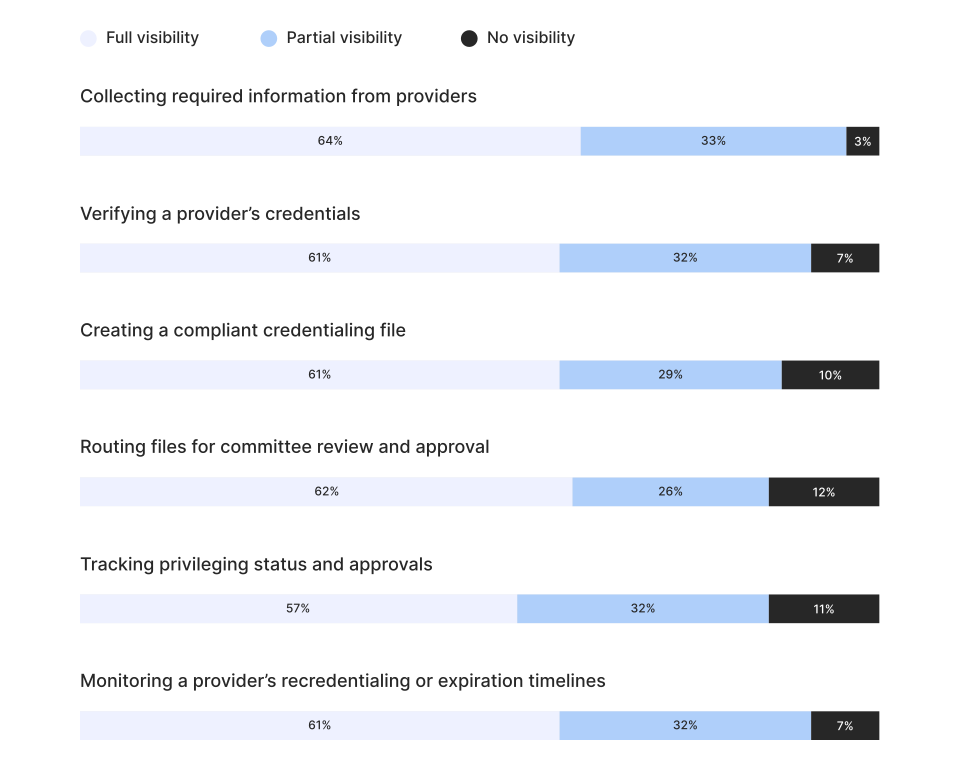
Provider groups report strong visibility in early workflow stages — up to 64% have full clarity on data collection, PSV, and file generation. But transparency erodes as files move deeper into the process. Only 57% have full visibility into privileging, and 62% understand how files move through committee review.